
Humic acidsfrom peat,not coal.
Extracted from low-lying Siberian peat rather than mined coal or leonardite. Different raw material, different active-substance profile — and the one claim a leonardite supplier cannot truthfully copy.
- 300 tPer month, scaled to confirmed orders
- 1 tMinimum wholesale order
- Per batchCertificate against the shipment code
Different feedstock. Different result.
Most of the sector refines humic products from mined coal or leonardite. We extract from low-lying peat. Different raw material means a different active-substance profile — and it is the one claim a leonardite supplier cannot truthfully copy.

- Living bog surface
- Peat — plant fibre still visible
- Water table
Cut from the top few metres of a low-lying bog. The plant structure is still in it, and that is what the extraction works on.
- Where it comes from
- The top few metres, cut from the surface
- How old it is
- Formed since the last ice age
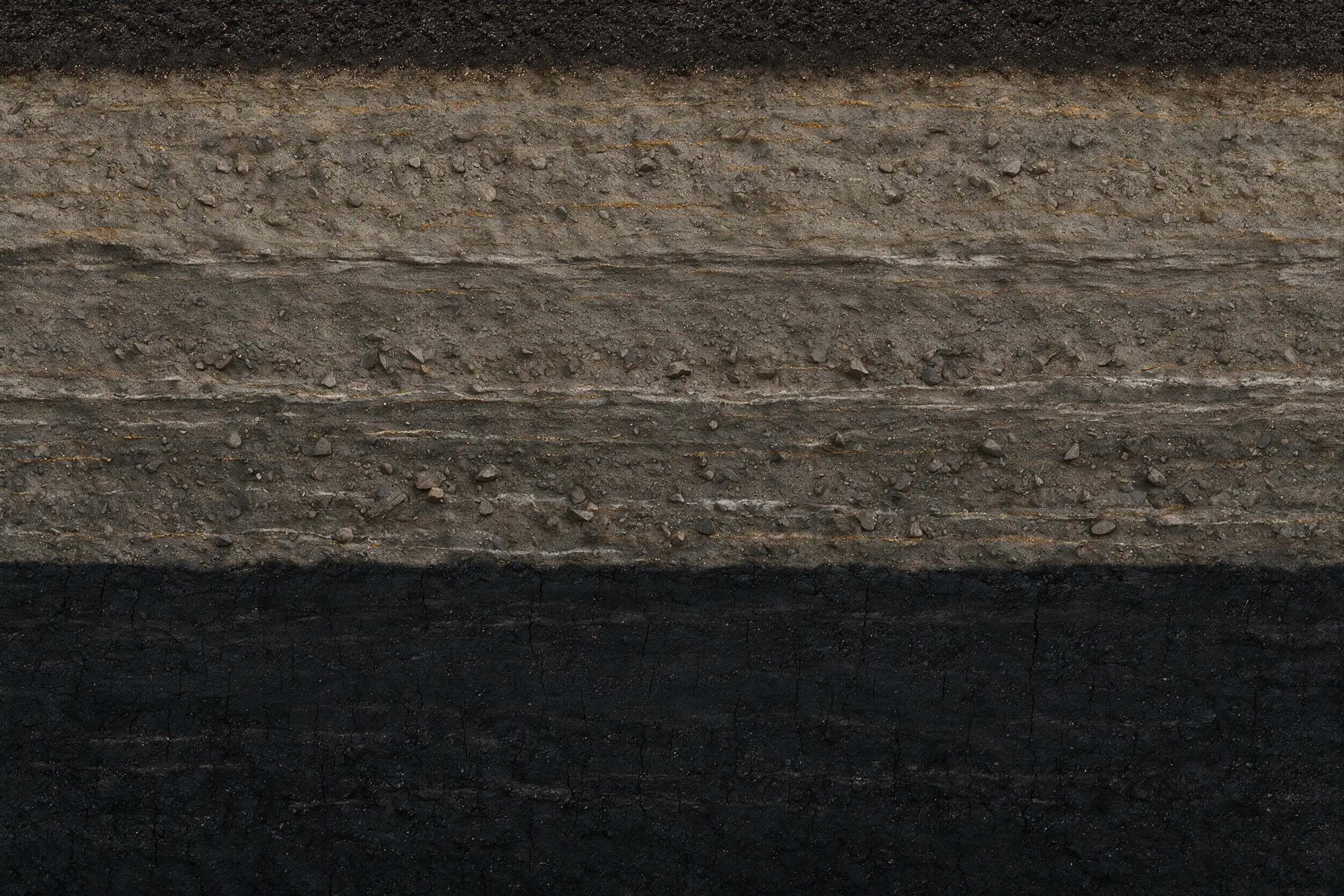
- Topsoil
- Overburden — mineral rock, no plant fibre
- Lignite / leonardite seam
Mined out from under the overburden. Whatever plant structure it once had was pressed out of it long before anyone dug for it.
- Where it comes from
- A seam under the overburden
- How old it is
- Formed tens of millions of years ago
| ARNUMEN — peat-based | Typical supplier — coal or leonardite | |
|---|---|---|
| Feedstock | Low-lying peat, Krasnoyarsk region, Russia | Mined coal or leonardite |
| Production | Our own facility. We manufacture; we do not resell. | Often traded rather than manufactured |
| Composition | Analysed to ISO standard by a laboratory in France | Percentages commonly published without a stated method |
| Traceability | Unique batch code per shipment; the certificate of analysis is issued against that exact code | Varies by supplier |
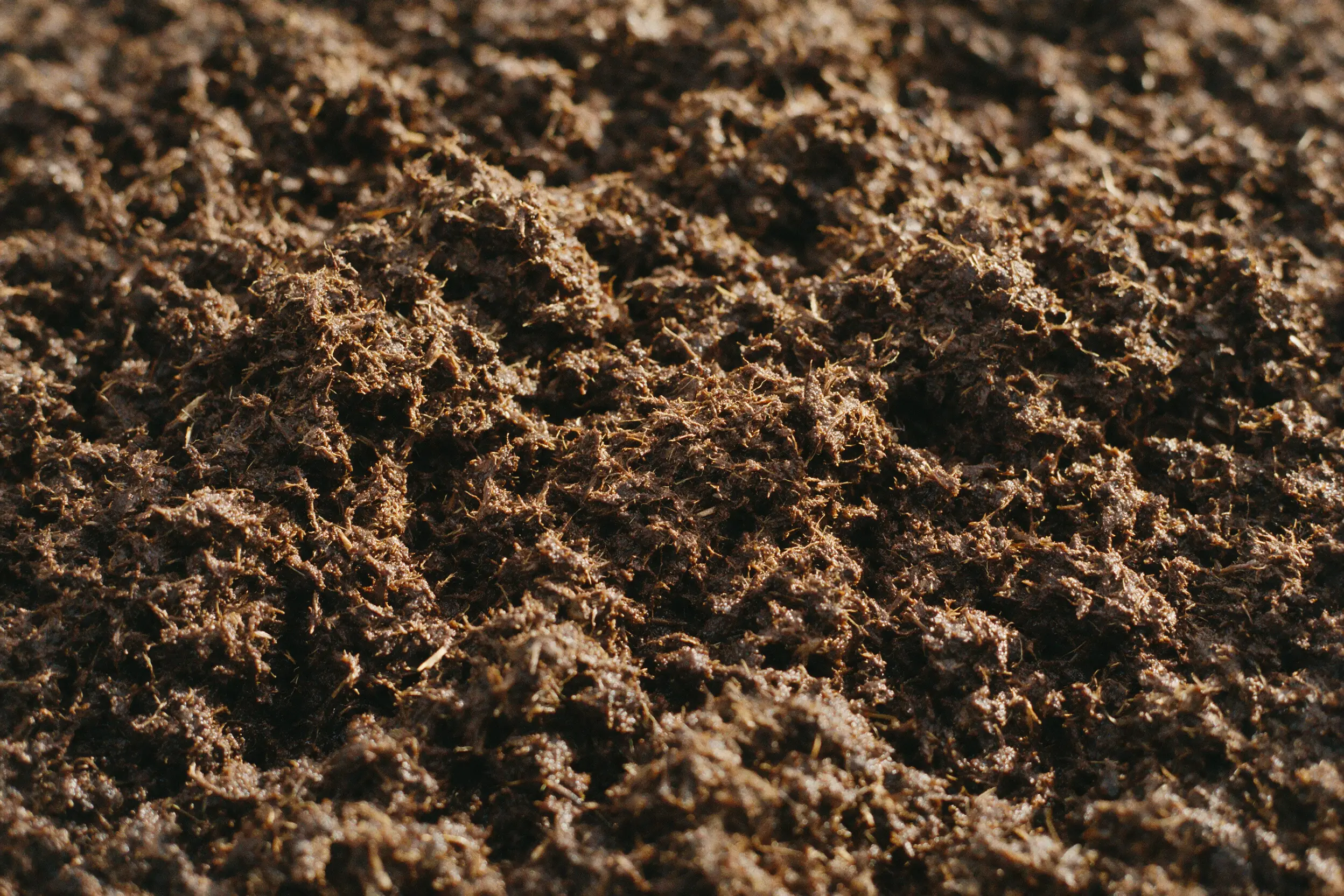
What is actually in the drum.
A stabilised suspension of micro-crushed lowland peat, extracted on our own ultrasonic line. Not a powder to dissolve, not a bought-in concentrate rebottled under a label — one raw material, milled, extracted and stabilised in one place.
Lowland peat
Cut from low-lying deposit in the Krasnoyarsk region and screened before it goes anywhere near the line.
Micro-crushing
The peat is milled down until the humic and fulvic fraction is reachable without chemistry.
Ultrasonic extraction
A flow-through ultrasonic line opens that fraction out of the milled peat. The process is our own and patented in Russia.
Stabilised suspension
The result is drummed under a unique batch code, and the certificate of analysis is issued against that exact code.
What the analysis reports
SourceTest report No. 61060-1 — MGULAB LLC, Moscow, 3 May 2025
Neutral. It goes into a tank mix without shifting the water.
- NNitrogenLeaf and stem growth
- PPhosphorusRoot establishment and energy transfer
- KPotassiumWater regulation and stress tolerance
- BBoronFlowering and seed set
- SiSiliconCell wall strength, lodging resistance
- SSulfurProtein and chlorophyll formation
- ZnZincEnzyme function and internode growth
- MnManganesePhotosynthesis and nitrate uptake
- FeIronChlorophyll synthesis
The split is what the laboratory reported on the paste: two fractions of one whole, not two separate measurements added together. The report itself — method, instrument and date — travels with your quote, and every shipment is retested against its own batch code.
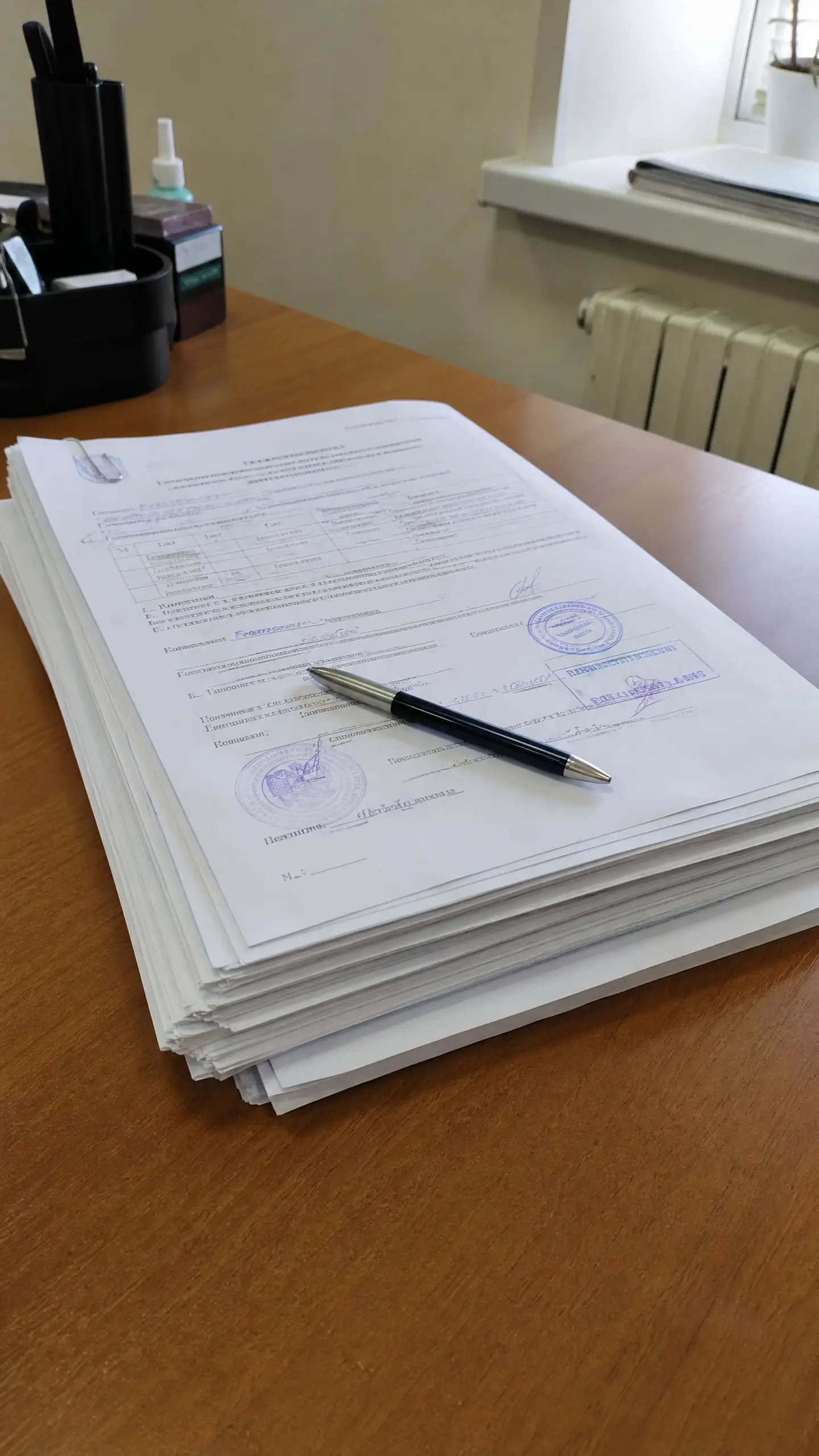
We publish nothingwe cannot document.
The split above is the only composition figure on this site, and it is there because a laboratory reported it. Competitors publish percentages with no method behind them; we publish one figure, send you the report that produced it, and retest every shipment against its own batch code. Everything we cannot back that way is marked as unsettled rather than dressed up as a fact.
See the verification chainWhat it is bought for.
Two jobs, and they are rarely the same customer. One grows a crop on land that already works. The other puts land back into service.
On land that works
Growing
- Holds moisture in the root layer through a dry spell
- Activates the soil microflora that makes nutrients available
- Extends how long an NPK application keeps working, and binds nitrogen in the soil
- Accelerates root development and strengthens the crop against stress
On land that does not
Putting land back
- Rebuilds a fertile layer on depleted ground, including sand
- Restores humus, reduces erosion and improves gas permeability
- Treats post-pyrogenic soil — the root layer left after a fire
- Used in the recovery of oil and petroleum spills and of closed landfills
Who buys it
- Agricultural holdings
- Greenhouse complexes
- Private farms
- Municipal services
- Distributors and exporters
The container it ships in.
Every order moves in the same 1000-litre intermediate bulk container, drawn below with its parts named. What the container is, and what travels on it, is stated once here rather than negotiated per shipment.
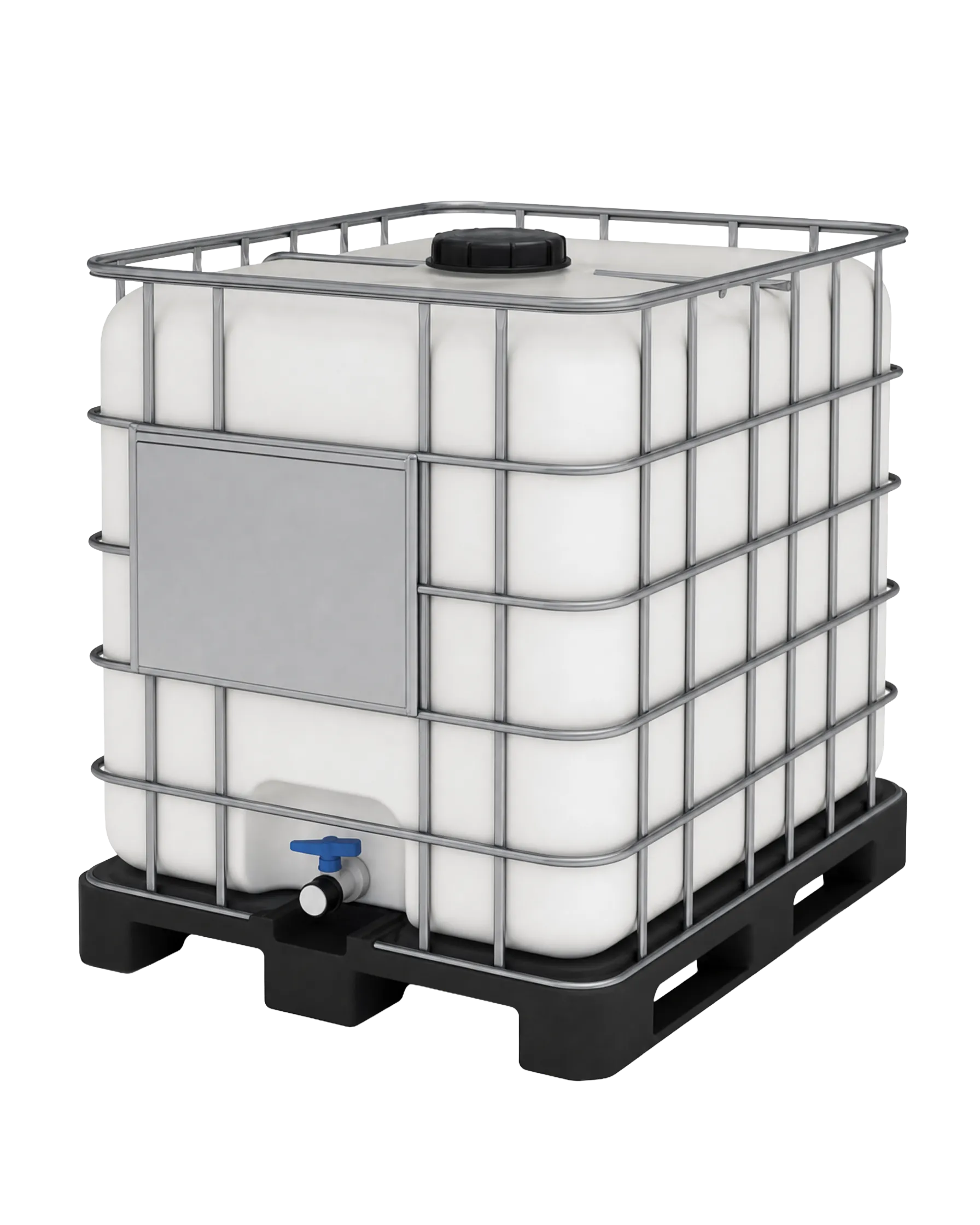
What ships, and on what terms.
Everything below is either settled or honestly marked as unsettled. Nothing on this page is an estimate dressed up as a fact.
- Product form
- A stabilised suspension of micro-crushed peat — not a powder
- Minimum order
- 1 tonne
- Production capacity
- 300 tonnes per month, scaled against confirmed orders
- Test batch
- Free, and shipped at our cost. Tell us the address and what you want to test for.
- Below the minimum
- Sent for testing only, not sold
- Batch traceability
- Unique code on every shipment
- Incoterms
- FOB. The named port is confirmed with your quote — FOB is incomplete without one, and road shipment to Europe needs FCA instead.
- Packaging
- Confirmed per order
- Shelf life and storage
- On request
- Lead time
- Confirmed with your quote
- Payment route
- Agreed before you issue a purchase order
- Composition figures
- Humic 52% / fulvic 48%, pH 6.9–7.2. The report travels with the quote.
How a number earns its place here.
A technical buyer's first move is to check whether a figure has a method behind it. This is the chain ours go through before we print one.
Verification chain
- Composition analysed to ISO standard by a laboratory in France.
- Every shipment is assigned a unique batch code before it leaves.
- The certificate of analysis is issued against that exact code, not against a generic product sheet.
- Independent retesting in Russia and China against the same code — underway.
Export documents
- Certificate of Analysis
- Issued per batchAgainst the shipment's own code
- Certificate of Origin
- Issued per shipmentSupplied with the proforma invoice
- Phytosanitary Certificate
- Issued per shipmentSupplied with the proforma invoice
- MSDS
- Available on request
- Process patent (RU)
- Registration number on requestThe ultrasonic extraction line is our own
Where we ship
- Gulf states
- Europe
- Vietnam
- South Korea
Listed in order of priority. Tell us your destination and your bank's jurisdiction in your first message and we will confirm a workable route and payment path before you issue a purchase order — or tell you honestly that we cannot serve your market.
The operation.
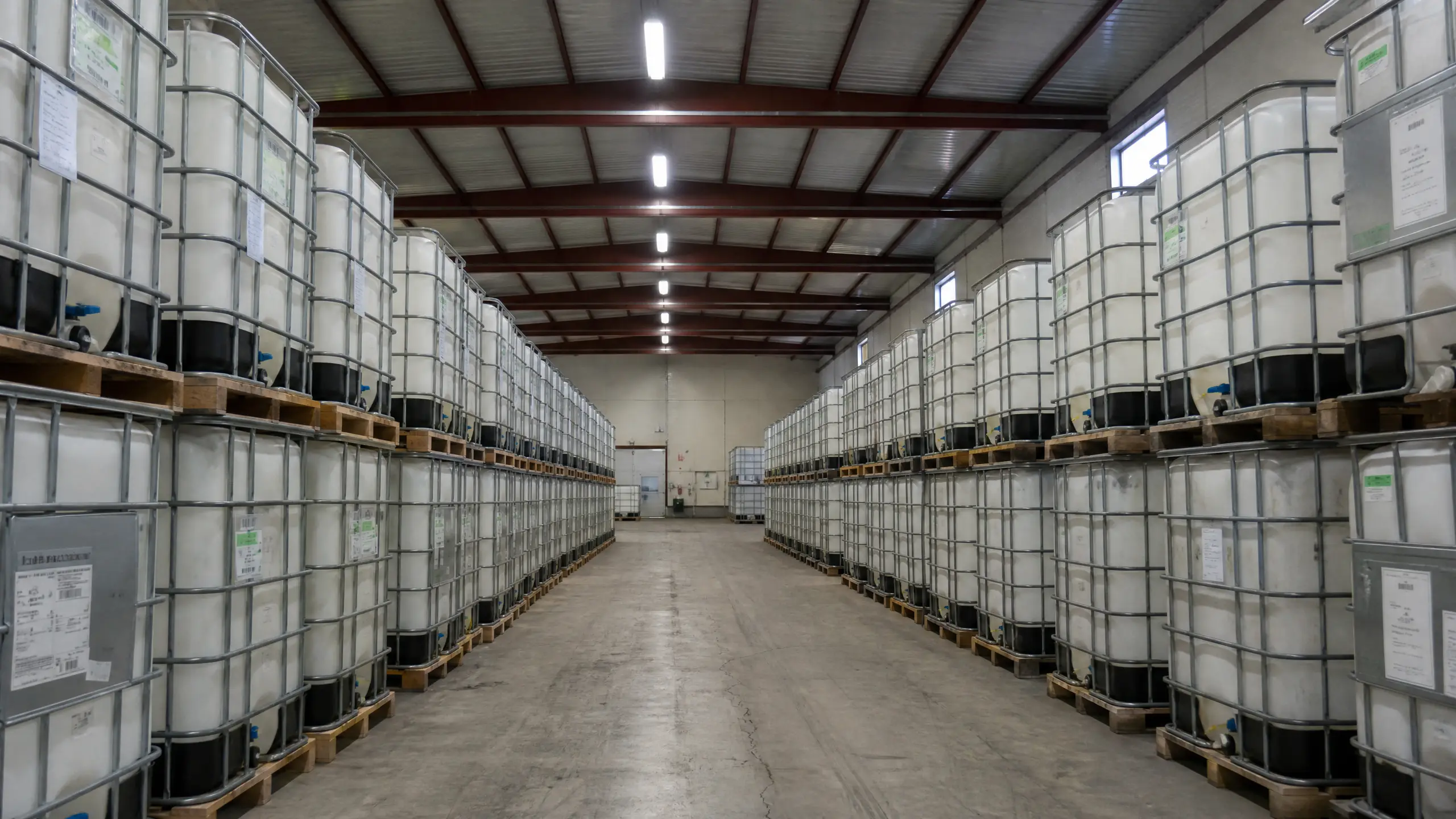
One frame below is ours: the finished concentrate on its pallets. The rest are reference renders standing in until our own photography is shot, and each is marked as such. We would rather show you a marked stand-in than pass off a picture as evidence — that is the same rule as the composition figures.
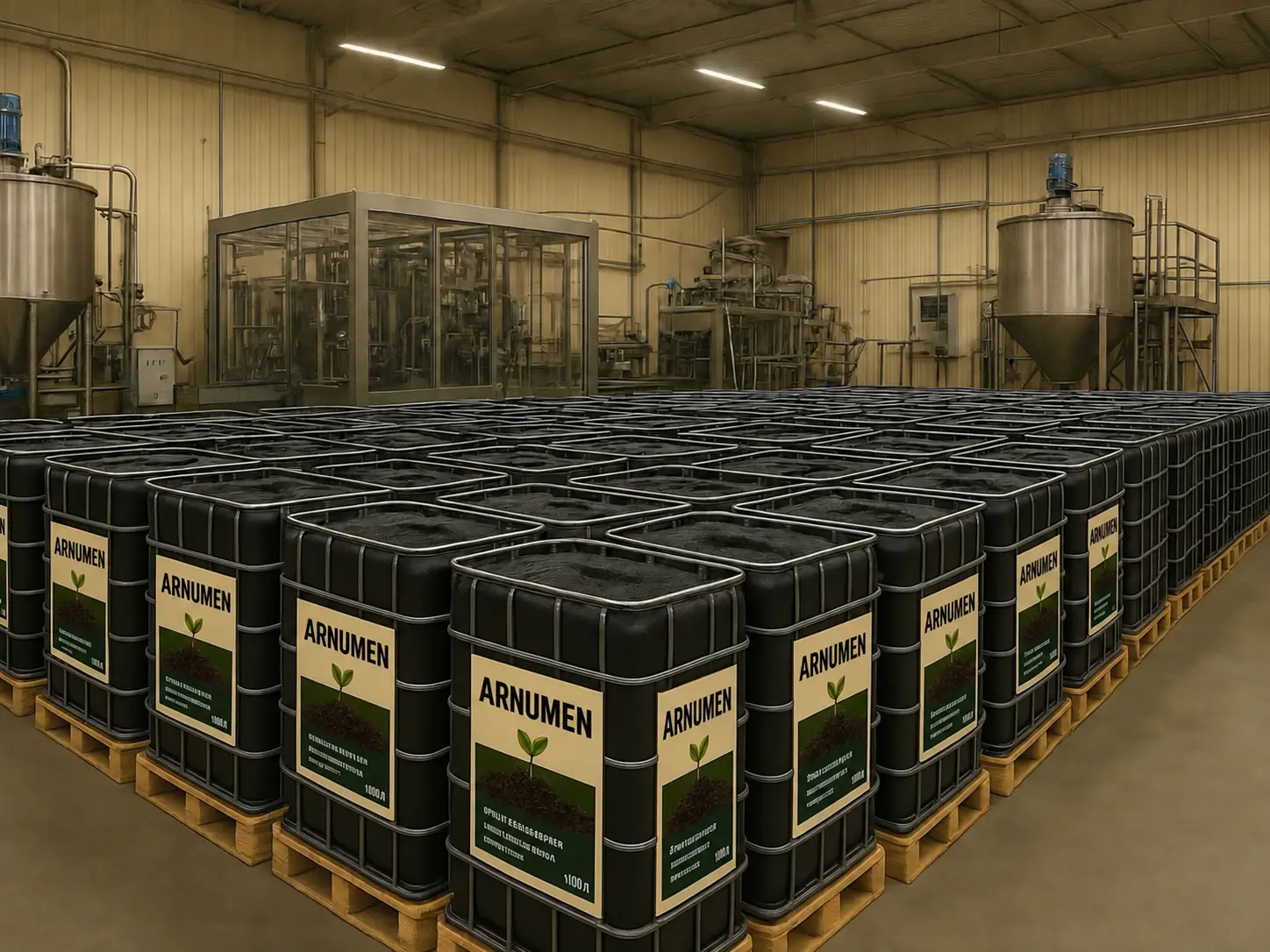
Finished concentrate, palletised for dispatch 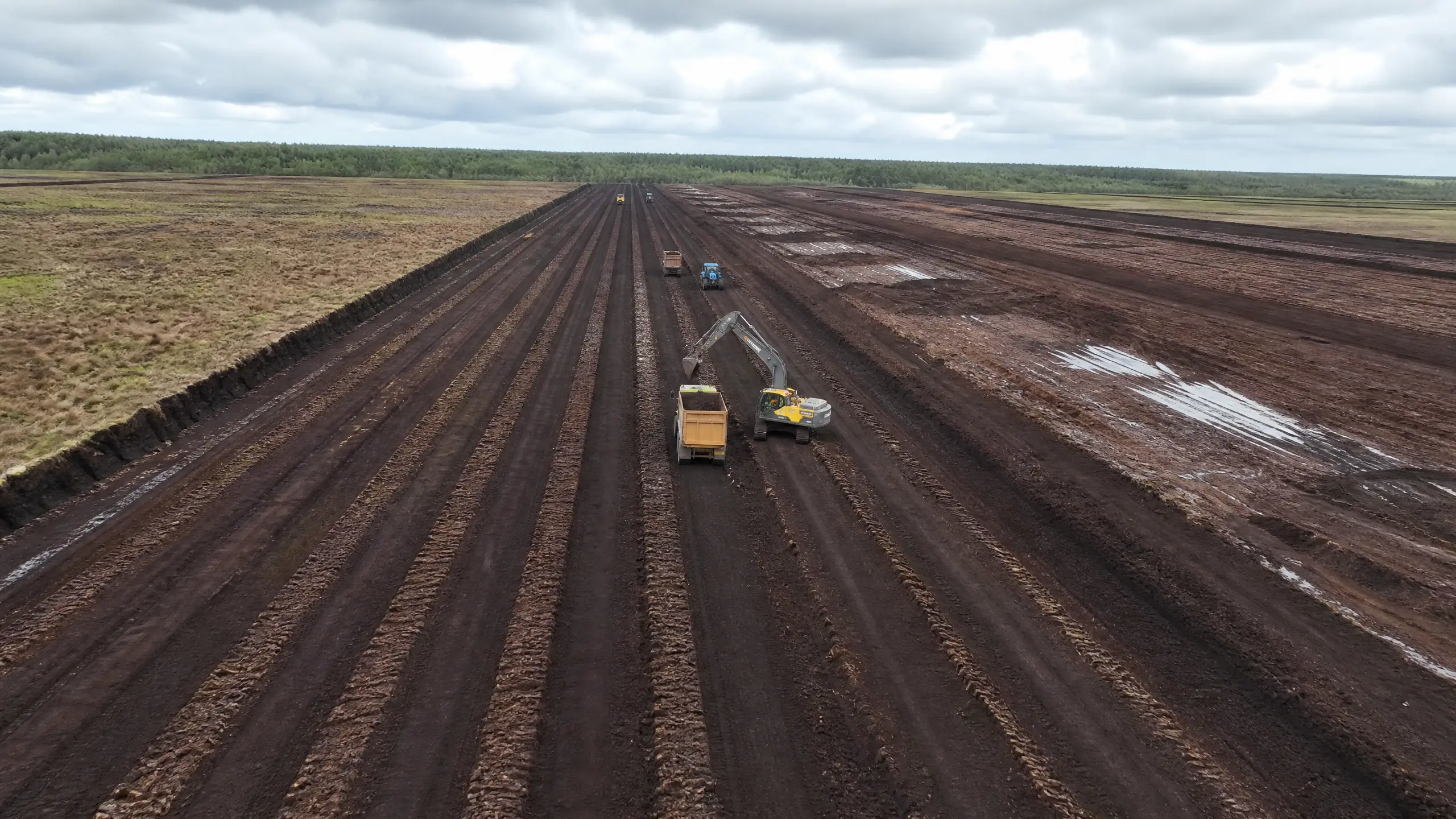
Peat harvesting, as it looks on a worked field 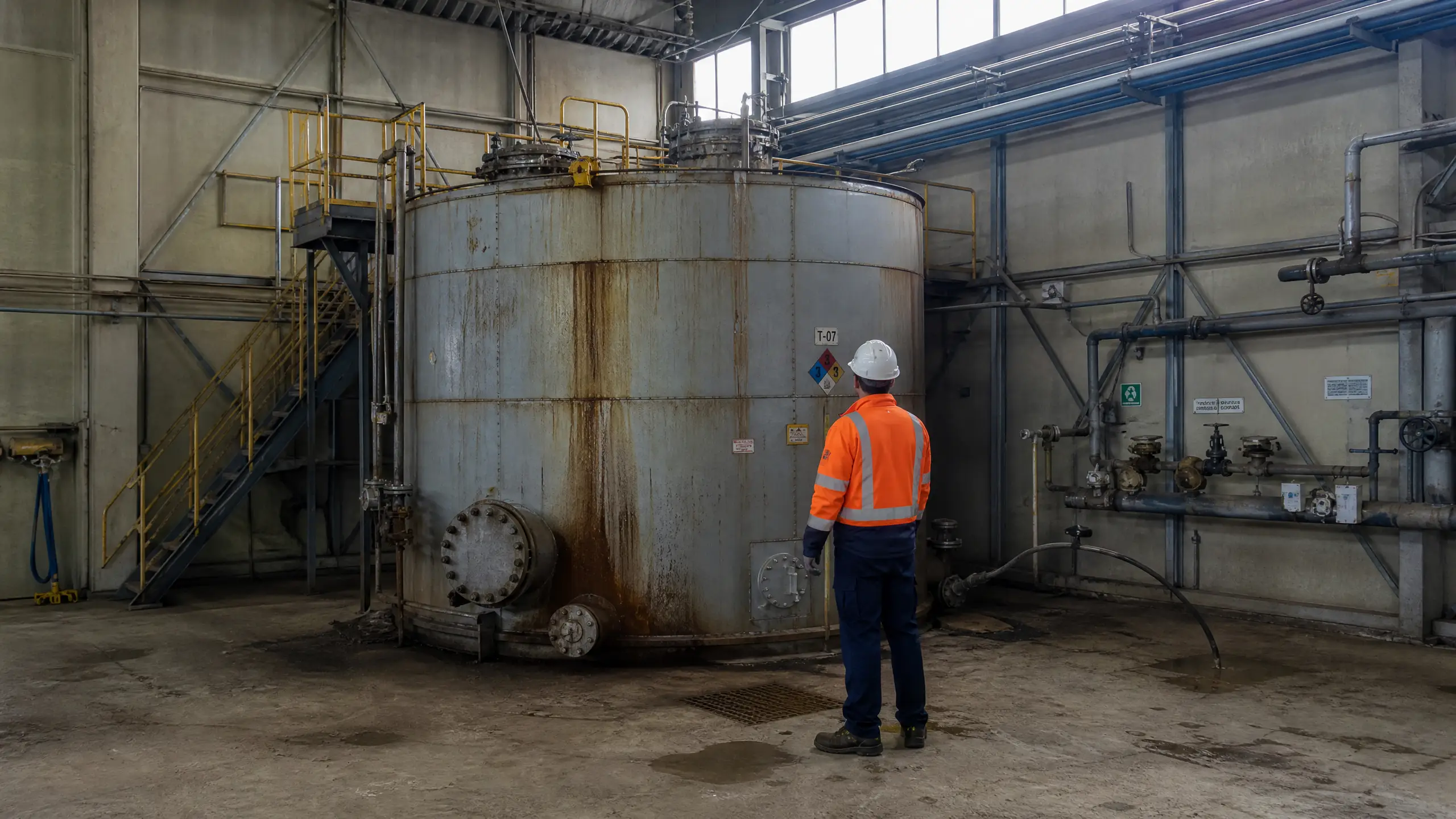
The kind of extraction vessel the process uses 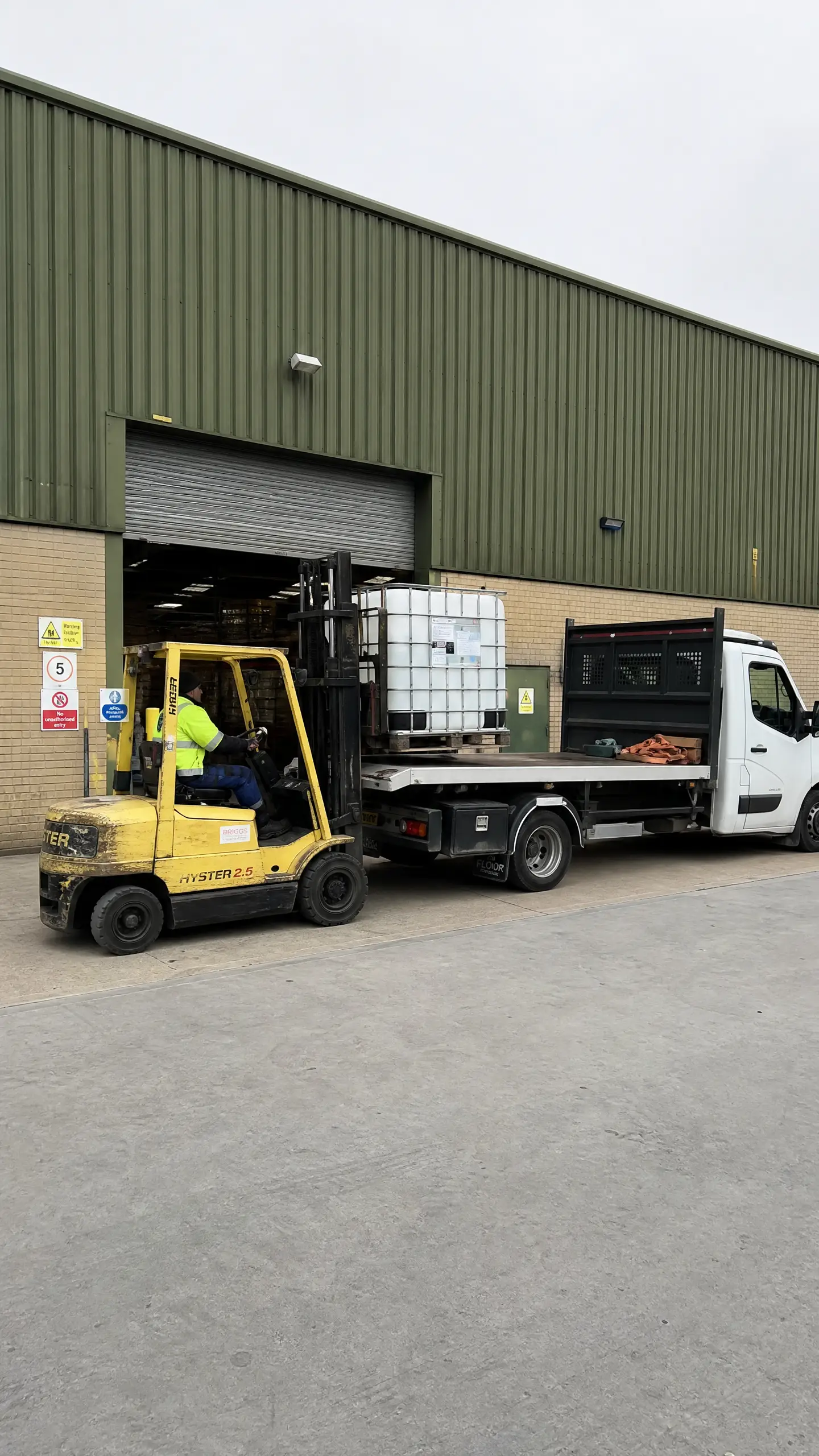
Loading for dispatch 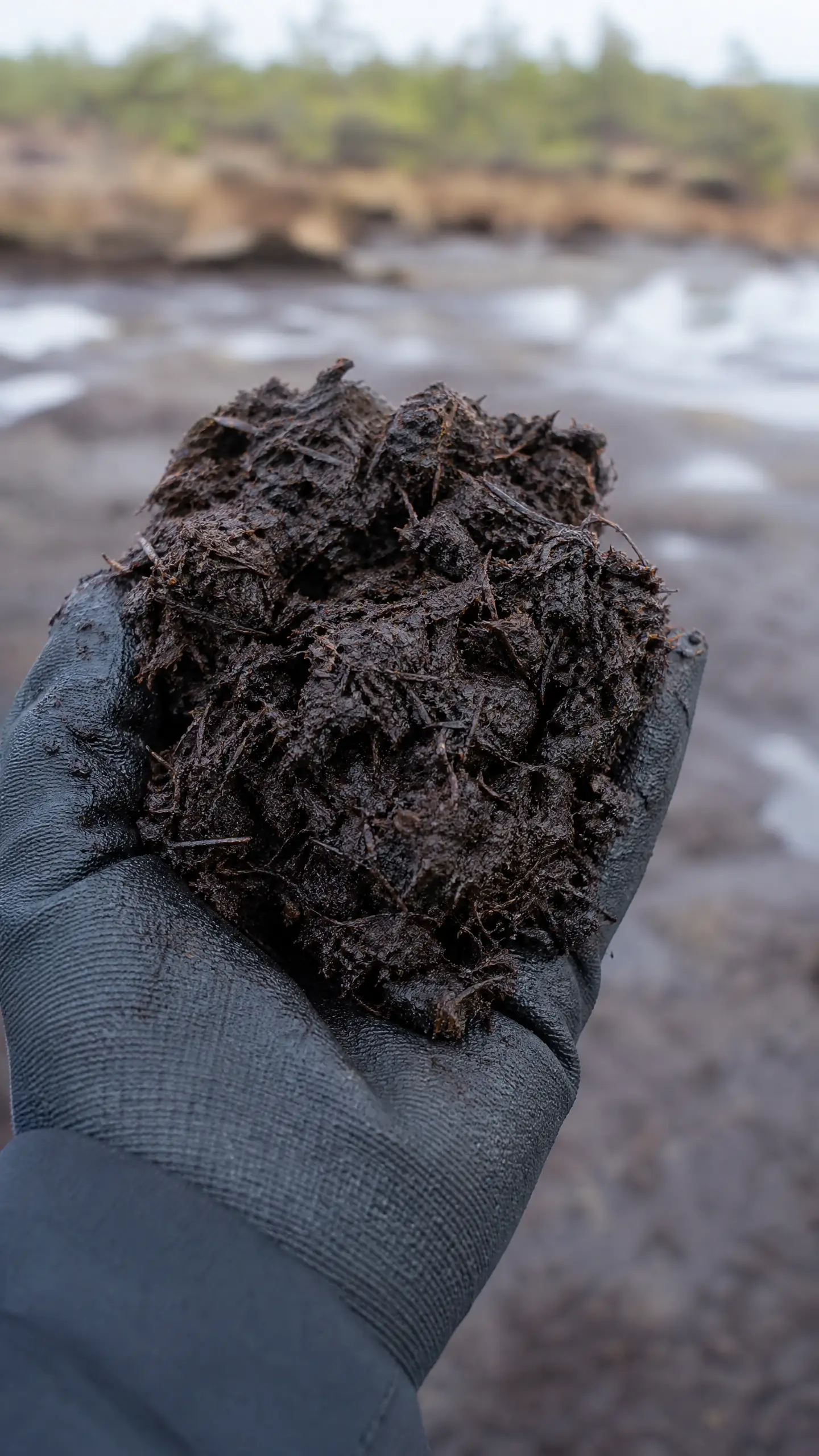
Low-lying peat, wet, as it comes out of the ground
Tell us the destination and the volume.
We will come back with the specification, the documents your import process needs, and a price for your destination. If you would rather judge the material before you commit to anything, say so — the test batch is free and we ship it at our cost. If we cannot serve your market, we will say so rather than waste your time.
- +7 996 427 93 16